
Yoga is the art of resting in various poses while keeping your focus on the breath.
As a result, every yoga posture has a specific effect on the respiratory system; therefore, it also affects the heart.
In the sequence of poses below, we begin with easier ones, gradually increasing the level of difficulty and moving into those that require more strength and energy. The body relaxes and rejuvenates through the final poses.
1. Tadasana (Mountain Pose)
Mountain Pose helps strengthen the heart and also enhances the body’s flexibility.
2. Vrikshasana (Tree Pose)
Tree Pose calms and balances the mind. Relaxing into this pose is beneficial, as a calm mind supports stable and healthy heart function.
3. Utthita Hastapadasana (Extended Hand and Foot Pose)
This yoga pose requires greater focus and strength in order to maintain balance.
4. Trikonasana (Triangle Pose)
Triangle Pose is a standing, heart-opening posture that encourages cardiovascular activity. The chest expands as you breathe deeply and rhythmically, which increases endurance.
WHAT is Ayurvedic Pulse Diagnosis and WHY is it so effective?
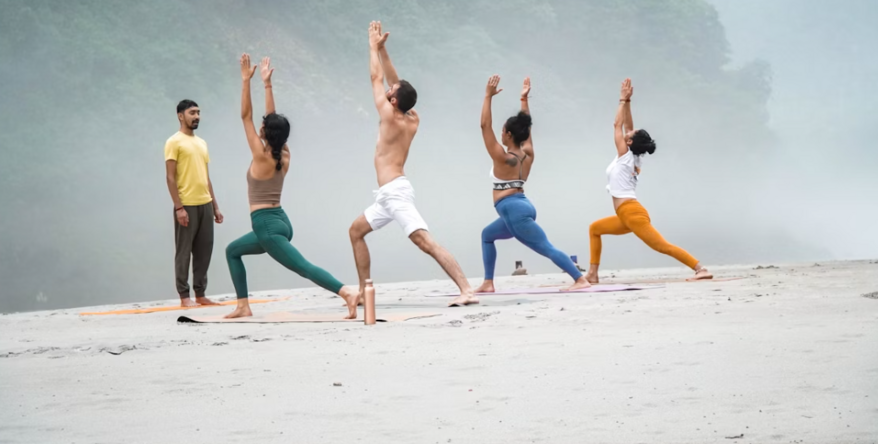
5. Virabhadrasana (Warrior Pose)
Warrior Pose improves body balance and builds stamina. It also releases stress by calming the mind and helping regulate the heart rate.
6. Utkatasana (Chair Pose)
In Chair Pose, you may feel your heart rate and respiratory activity increase. It is a warming and strengthening pose.
7. Marjaryasana (Cat Pose)
Cat Pose is a welcome relief after Chair Pose, as it soothes the heart rate and brings the heart back to a slower, more rhythmic pace.
8. Adho Mukha Svanasana (Downward-Facing Dog)
This pose is used for relaxation, as it calms the nervous system and recharges the body with energy.
9. Bhujangasana (Cobra Pose)
This pose increases the stretch in the chest area and requires more strength and endurance than Sphinx Pose.
10. Dhanurasana (Bow Pose)
A stimulating posture that deeply stretches the entire body while opening and strengthening the heart area.
11. Setu Bandhasana (Bridge Pose)
Not as demanding as Bow Pose, Bridge Pose facilitates deep breathing and improves blood flow to the heart region.
12. Salamba Sarvangasana (Supported Shoulder Stand)
This pose calms the system, activates the parasympathetic nervous system, and creates space in the chest. It is both relaxing and rejuvenating.
Join a FREE lecture: “The Secret of the Breath”
13. Ardha Matsyendrasana (Half Spinal Twist Pose)
This seated twist works along the entire spine and opens the sides of the ribcage one after the other.
14. Paschimottanasana (Seated Forward Bend)
A calming seated pose in which the head is placed below the heart, helping to ease and slow down both heart activity and breathing, allowing the system to rest.
15. Dandasana (Staff Pose)
In contrast to the previous poses, this posture supports good body alignment, strengthens the back, and stretches the shoulders and chest.
16. Dolphin Pose
Dolphin Pose is slightly more challenging than Downward-Facing Dog as it helps build endurance and strengthens the upper body, preparing it for other heart-opening poses.
WHAT is “The Happiness Program” and WHY is it so effective?
17. Dolphin Plank
In this pose, the heart is re-engaged and begins to pump blood actively again.
18. Sphinx Pose
Sphinx Pose reopens the chest. It is a gentle backbend that opens the chest, stretches the lungs, and the shoulders.
19. Shavasana (Corpse Pose)
This pose provides deep rest to the body and is the opposite of all other yoga poses. It allows the body and breath to self-regulate, contributing to overall systemic health.
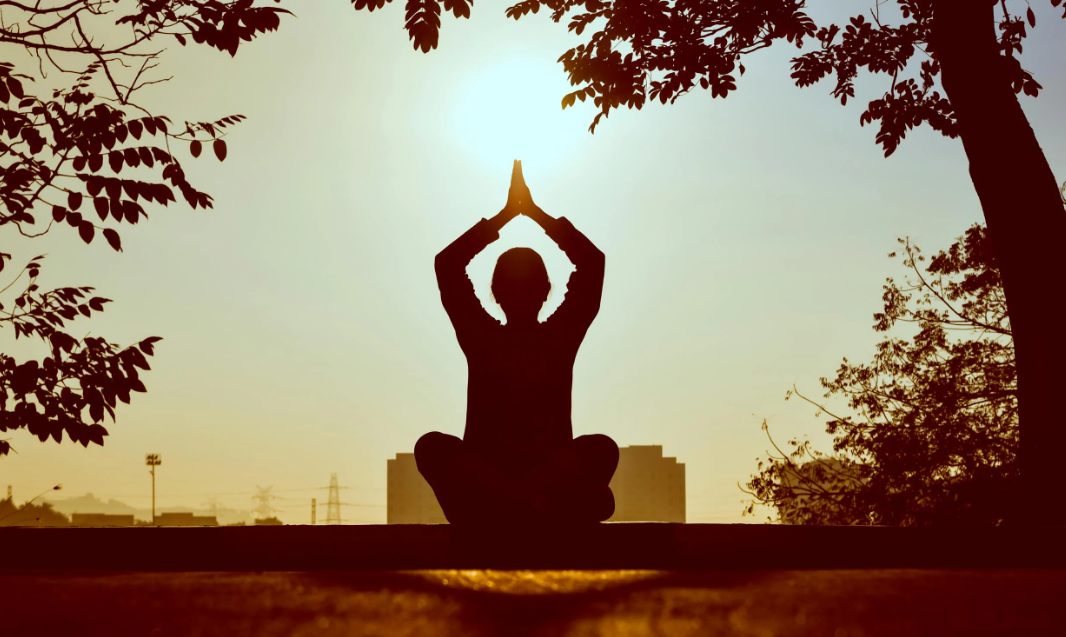
20. Anjali Mudra
Anjali Mudra opens the heart, calms the mind, and reduces stress and anxiety. It prepares the body for pranayama and meditation.