
In most cases, yoga is perceived as a combination of stretching exercises and breathing techniques for calm and relaxation. A typical yoga session introduces us to exactly these practices, and while we may enjoy their benefits, the deeper and true understanding of yoga often remains in the background.
Although yoga postures are skillfully designed to affect all bodily systems, and breathing techniques bring awareness to the body-mind connection, yoga is much more than what meets the eye. As we study and practice yoga, we gradually begin to sense its subtle effect on the body, mind, and consciousness. A lesser-known but equally delicate and distinct branch of yoga is Yoga Tattva Mudra Vigyan, or the use of yoga mudras.
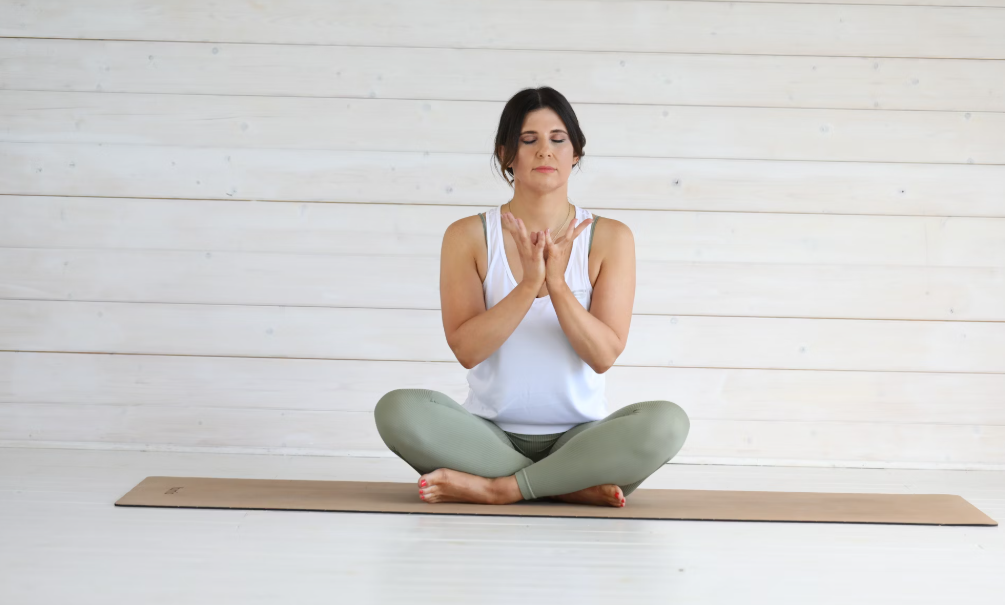
Entirely separate and based on the principles of Ayurveda, yoga mudras are understood as a healing modality. In Sanskrit, the word mudra translates to gesture or attitude. A mudra can involve the whole body or simply a hand position. When practiced in combination with yogic breathing techniques, mudras stimulate the flow of prana throughout the body, activating different areas involved in the respiratory process. By influencing the nervous system directly, mudras form a complex connection with instinctive patterns in the brain and affect subconscious reflexes. Inner energy is first balanced and then redirected, impacting sensory organs, glands, veins, and ligaments.
Add a New Dimension to Your Yoga Practice
There are many interpretations of the different finger positions. Whether seen as aspects of personality, the three energies of the gunas, the mind, intellect, ego, illusion, or karma, they remain somewhat of a mystery. What matters is that they have a positive effect on one’s perception and overall health. The primary texts describing the benefits of mudras are the Hatha Yoga Pradipika and the Gheranda Samhita. Hatha Yoga Pradipika outlines 10 mudras, while the Gheranda Samhita describes 25.
Some yoga mudras come to us naturally—by simply touching the fingers together, we can influence our mindset and perception and, through our inherent energetic power, heal the body.
There is a direct connection between mudras and the five elements of the body. According to Ayurveda, diseases arise from imbalances in the body, which are caused by a deficiency or excess of any of the five elements. Our fingers embody the qualities of these elements, each performing a vital function in the body. Essentially, fingers are like electrical circuits. Practicing mudras regulates the energy flow, influencing the balance of air, fire, water, earth, and ether—thus promoting healing.
Yoga mudras can be practiced easily while sitting cross-legged in Vajrasana or Lotus Pose, or even comfortably seated on a chair. It's best to accompany simpler mudras with ujjayi breathing. Here are some basic yoga mudras you can try effortlessly to experience their benefits:
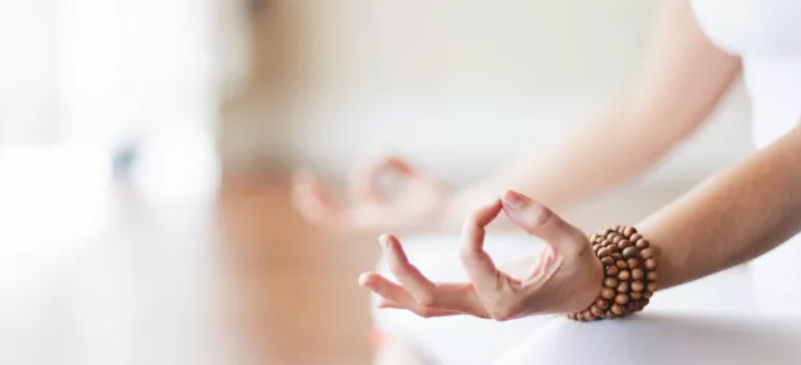
Chin Mudra
Gently touch the tip of the thumb and index finger together, keeping the other three fingers extended.
The thumb and index finger should meet lightly, without pressure.
Keep the remaining fingers as straight as possible.
Rest your hands on your thighs, palms facing up.
Observe the flow of your breath and its effect.
Benefits of Chin Mudra:
Enhances concentration and focus
Increases energy levels in the body
Reduces lower back pain
Improves sleep
Chinmaya Mudra
In this mudra, the thumb and index finger form a ring, while the other three fingers are curled into the palm.
Place your hands on your thighs, palms facing upward, and take deep ujjayi breaths.
Again, observe the breath and its effects on the body.
Benefits of Chinmaya Mudra:
Improves energy flow in the body
Stimulates digestion
Alleviates headaches
Adi Mudra
In Adi Mudra, the tip of the thumb touches the base of the little finger while the other fingers wrap gently over the thumb, forming a relaxed fist.
Place the hands palms up on the thighs and continue deep breathing.
Benefits of Adi Mudra:
Calms the entire nervous system
Enhances oxygen flow to the brain
Increases lung capacity
Brahma Mudra
Both hands are in Adi Mudra, with the knuckles touching and palms facing upward, placed at the level of the navel while maintaining deep breathing.
Take at least twelve breaths in each mudra and observe the flow of energy throughout the body.
Are you feeling low due to physical discomfort? Are emotions negatively affecting your personal and professional life? Fill out the form below to learn how yoga can naturally help you overcome challenges with minimal lifestyle changes.