
High blood pressure always has symptoms – you cannot have high blood pressure without them. Often, people discover they have high blood pressure after experiencing headaches, dizziness, light-headedness, or fatigue. In such cases, we recommend Sudarshan Kriya, adjusting the diet, and very often, by adopting this lifestyle, patients are able to reduce their blood pressure and achieve balance. Through regular Ayurvedic consultations, high blood pressure can be prevented,” shares Dr. Abhishek Mishra, an Ayurvedic doctor from India.
Blood pressure is the term for a vital body function in which the heart consistently pumps and releases blood into the arteries, exerting pressure on the arterial walls.
Blood pressure is measured using two numbers: systolic and diastolic pressure. Systolic measures the pressure as the heart pumps blood, while diastolic measures the pressure between beats. If blood vessels are not properly relaxed or there is a blockage in the arterioles, this can lead to high blood pressure.
Although blood pressure normally fluctuates throughout the day—being higher during activity and lowest during sleep—older adults and those with high stress levels are more at risk of hypertension. It can be a risk factor for many chronic conditions such as:
Heart failure and stroke
Hardening of the arteries
Enlargement of the heart muscle
Kidney and endocrine gland damage
Hypertension
Weakening of the cardiovascular system
Increased strain on the heart and arteries
It’s no secret that most illnesses stem from stress, and yoga and breathing techniques can help support a calm and healthy life. In the "Secrets of the Breath" course, you can learn fundamental breathing techniques to support your well-being.
Pay attention to the symptoms.
It’s not easy to detect high blood pressure or hypertension, so be alert and consult your doctor. Pay special attention if you experience:
Chest pain, breathing problems, or palpitations
Ringing in the ears
Headache, neck pain upon waking, or double vision
Dizziness
Fatigue
How can we control blood pressure with yoga?
Yoga has proven benefits for those with high blood pressure because it brings balance to the nervous system by stabilizing the sympathetic and parasympathetic branches. Asanas help to:
Improve blood circulation to all parts of the body
Increase alertness and cognitive functions by reducing stress and tension, helping with breathing problems and a racing pulse
Reduce susceptibility to illness and stress accumulation, while making the body feel healthier and more energized
Improve digestion, circulation, immunity, and support the functioning of neurological and endocrine organs
Prevent and ease chronic conditions such as high blood pressure, chronic pain syndromes, anxiety and panic disorders, depression, sleep disturbances, and chronic fatigue syndrome
Recommended yoga asanas for high blood pressure
The Art of Living teaches you each yoga posture from start to finish, along with powerful breathing techniques. The following yoga asanas and pranayamas are effective in lowering blood pressure. They should be learned properly before incorporating them into your practice. Note: when the spine is in a horizontal position, there is less pressure on the heart, which can have a therapeutic effect. Depending on your condition, consider the following asanas:
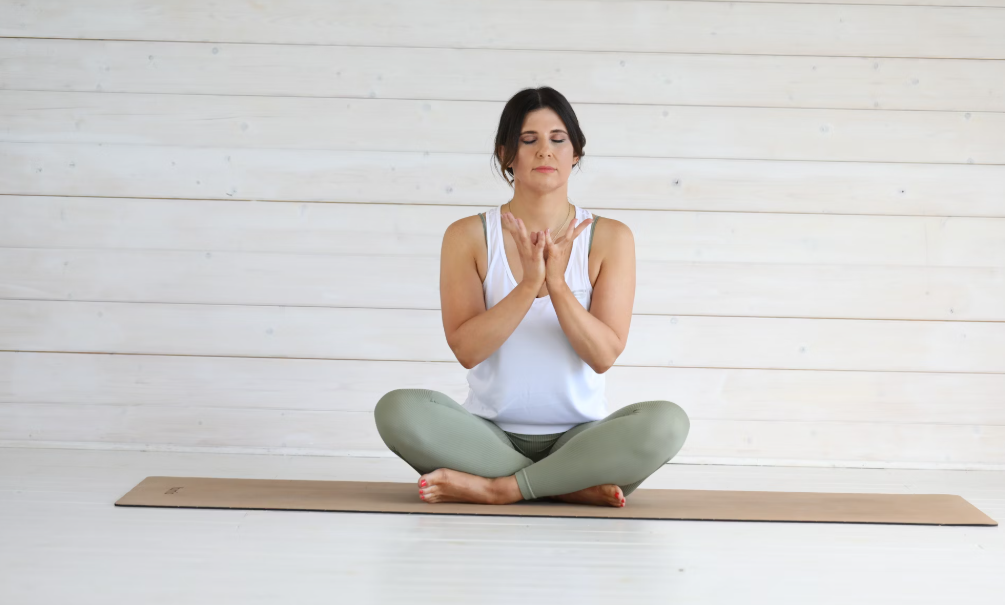
Sukhasana
Bhramari
Janu Sirsasana
Purvottanasana
Shavasana
Setu Bandhasana
Setu Bandhasana with circular knee movements, without lifting the head
Makarasana with Bhramari pranayama
Shishu Asana
In addition to physical activity, your mental state is especially important to your health. Learn practical wisdom through the "Breath & Meditation Course" and achieve balance.
Caution during exercise
Only practice yoga asanas after consulting your doctor and a qualified yoga therapist. Asanas where the head is lower than the heart should be avoided. Also, discuss your medications and diet with a specialist. Once you begin your yoga practice, continue to monitor your condition with a healthcare provider.
The Art of Living offers another powerful tool for managing high blood pressure: Sudarshan Kriya, created by Sri Sri Ravi Shankar. This technique has helped people around the world maintain healthy blood pressure levels.
To learn more, attend one of the free webinars by The Art of Living. The Sudarshan Kriya breathing technique is taught in a 5-day course – Breath & Meditation.
Did you know Ayurveda can help manage high blood pressure?
Ayurveda is an ancient Indian system of natural and holistic medicine that treats conditions at their root.
Food matters
Proper nutrition can significantly improve your health, so following these tips will support your well-being:
Avoid salt! Learn to use lemon, low-fat dairy, herbs, and spices as substitutes for harmful flavorings
Remove canned foods from your meals
Opt for healthy, low-sodium salads, vegetables, and potassium- and magnesium-rich fruits (like black beans, pumpkin seeds, and spinach)
Avoid canned, packaged, and frozen foods. Do not smoke and limit alcohol intake
Recommended: herbal teas and fruit drinks such as pomegranate juice and green tea
Consult your doctor about recommended fat intake levels and monitor your weight
Discuss which type and amount of daily exercise are best for you; include meditation and pranayama in your routine
Eat healthy!
How Ayurveda helps with high blood pressure
Ayurveda is a natural alternative to medication—without side effects. When combined with yoga, it helps reduce and eventually normalize blood pressure levels. Since your diet plays a key role, you can consult an Ayurvedic doctor to determine the right type and quantity of food for your constitution.
Across Bulgaria, The Art of Living centers organize free webinars with trained Ayurvedic doctors from India, who can help you apply Ayurvedic knowledge to improve your health and lifestyle.