

Depression is one of the most common mental health issues nowadays.
Depressive states affect both the mind and the body.
Symptoms include intense negative emotions and feelings, melancholy, loss of interest, persistent fatigue, sleep disturbances, changes in appetite and weight, as well as indecisiveness and low self-esteem.
These conditions lower people's quality of life, affect their work and relationships, which is why it is very important that they are treated properly and effectively.
Causes
There are various reasons for the onset of depression.
The most common among them are stressful events such as the loss of a loved one, separation, major changes in routine, troubled relationships at work or at home, etc.
Stress is a major factor in the appearance of depression, but by no means the only one.
There are also genetic factors, certain medical conditions, hormonal changes, and different medications that can also trigger such conditions.
Some people are susceptible to seasonal depression, which usually occurs during the colder months, when the days are shorter and there is not enough sunlight.
It is believed that this can affect the body and lead to changes in sleep and low mood.
Treatment
Depression is usually an extremely unpleasant experience and may seem like there is no way out, but in fact it is completely treatable.
It is important to be properly diagnosed, as the initial symptoms may sometimes manifest only on a physical level.
Treatment usually involves medication or psychotherapy, as well as a combination of the two.
Self-treatment is also often applied, which in more serious cases is combined with classical methods, and in some milder depressive states may be sufficient on its own.
Here, self-treatment can be understood as taking care of oneself and of one’s emotional state.
This includes a proper diet, physical activity, good sleep, and relaxation – things that have a positive effect on mental health.
Yoga
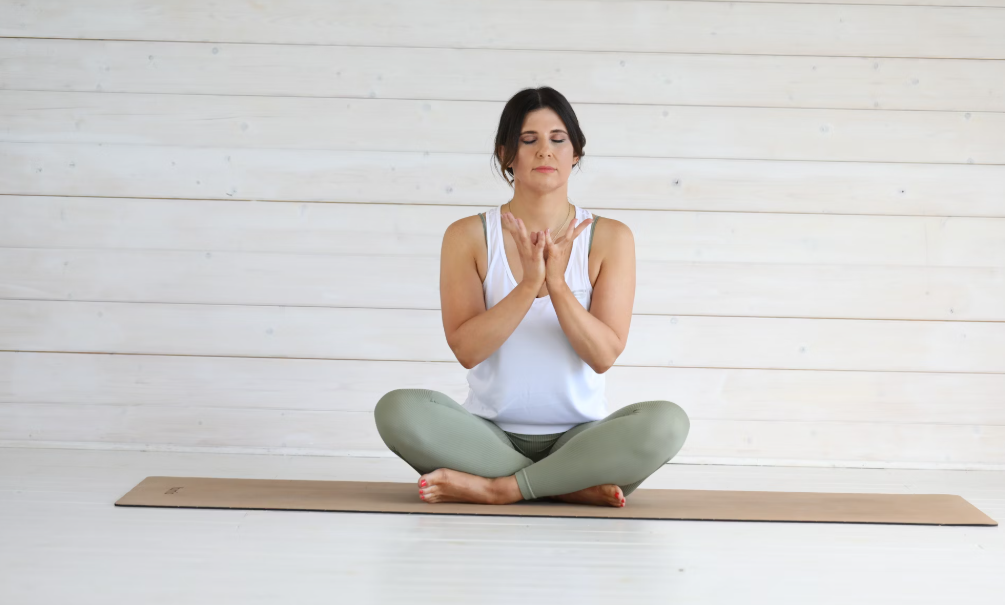
According to numerous scientific studies, yoga is extremely beneficial in dealing with depression, as it combines physical exercise, breathing practices, and meditation – all of which successfully combat depressive states.
Regular physical exercise can significantly improve mood.
Breathing practices can also have a positive effect on emotional balance.
It has been established that in different emotional states, we have a different breathing rhythm.
Therefore, by consciously regulating breathing, we can change our mental state.
And regular meditation practice has been proven to train the brain’s ability to focus and remain focused – even in the presence of negative thoughts and emotions, which are common in depression.
Nutrition
Nutrition is also directly related to both the physical and mental health of a person.
According to scientific studies, the consumption of more fruits, vegetables, low-fat dairy products, olive oil, and whole grains significantly reduces the risk of depression.
But when consuming fewer fruits and vegetables and more sweets and foods rich in carbohydrates and fats, we become more susceptible to depression.
In today's fast-paced and stress-filled world, depressive states are becoming more and more common.
However, this should not frighten us, because they can be overcome.
It is important to approach them with care and to apply the right method of treatment.
But above all, it is good to lead a healthy lifestyle, which can reduce the risk of depression or make dealing with it easier and faster.