

Are you tired of going to bed with the dreadful thought of an endless night spent tossing and turning, trying to fall asleep? Tired of waking up at 4 a.m. and knowing you won’t be able to fall back asleep until 7:30, just when you have to get up? Tired of waking up exhausted, with your everyday tasks seeming like insurmountable problems, too much for you to handle? You’re probably suffering from insomnia. It can be temporary or chronic, but in either case, it’s important to deal with it, because healthy sleep is one of the key factors for a fulfilling life.
Here are 5 steps to guide you more easily into the realm of Morpheus:
1. Establish a routine
Our body has its own rhythm, which we call the biological clock. Unfortunately, because of our many commitments or specific habits, we often ignore the voice of our body. It’s been proven that around 9–10 p.m. the human body needs calmness and preparation for rest, and around 11 p.m. it’s easiest to fall asleep.
Try to go to bed at the same time every night. This will help train your body to fall asleep at a consistent hour.
You can learn more useful tips in the Art of Living Foundation’s Happiness Program.
2. A few limitations
It’s advisable not to consume stimulating drinks such as tea, cola, or coffee after 2 p.m. Ideally, dinner should be at least two hours before bedtime. If you enjoy a glass of wine, there’s no need to give it up, but have it a bit earlier.
Right before bed, it’s absolutely forbidden to sit in front of a computer or TV, as these devices switch your brain into work mode, and it’s already time for rest. Instead, read a few pages of an interesting book or spend quiet time with your family. Contrary to popular belief, a hot shower before sleep does not help you fall asleep more easily.
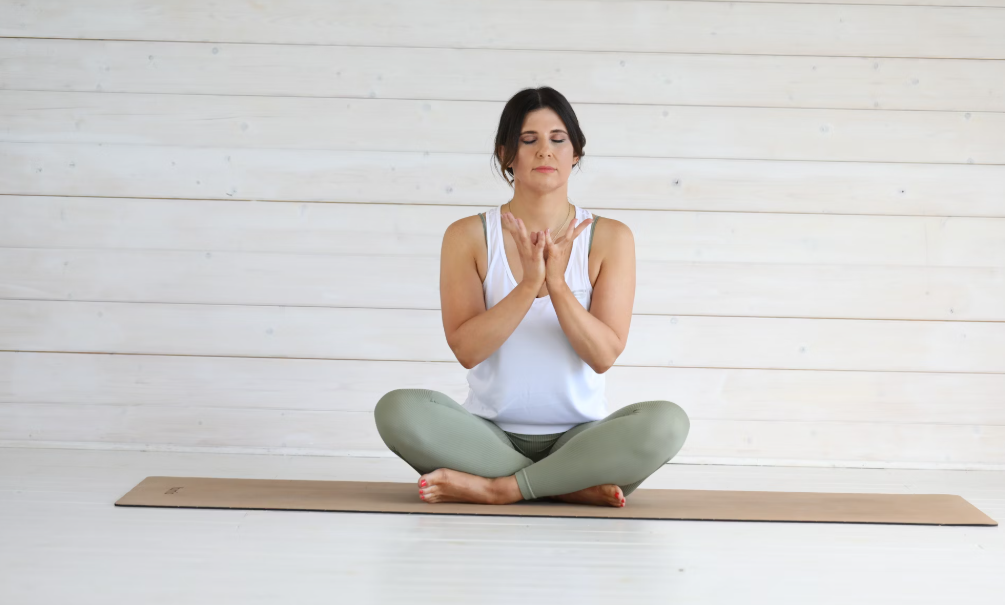
3. Practice yoga and meditate
Yoga is not only a great way to start the day, but also a wonderful way to end it. There are a few asanas that can be very helpful in your battle with insomnia.
You can try these: Forward Bend (Hastapadasana), Cat Stretch (Marjaryasana), Child’s Pose (Shishu Asana), and Butterfly Pose (Baddha Konasana).
For complete relaxation, Yoga Nidra – the Corpse Pose – can also help.
If you want the best results, give yourself 15–20 minutes in the morning and in the late afternoon to meditate. This will help you fight stress, make peace with yourself, and calm your mind – which is a sure recipe for a good night’s sleep.
4. Turn your bedroom into a temple of sleep
Always go to bed in a well-ventilated room; avoid sleeping in a space that’s too warm. Use your bed only for sleep and sex. Get rid of all unnecessary electronics in your room – computers and TVs have no place there.
5. Air out your brain
One of the most common causes of sleep problems is stress. You already get enough of it during the day, so try to avoid it before bed. If you need to plan your day, save it for the morning. If an especially troubling issue is stuck in your thoughts, try to chase it away by focusing on something calm and positive.
If you’ve had a fight with your child or partner, try to make peace before going to bed – irritation and guilt are not a good pillow.
Go to bed calm and balanced, and enjoy a truly good night’s sleep that will recharge your body and mind.