
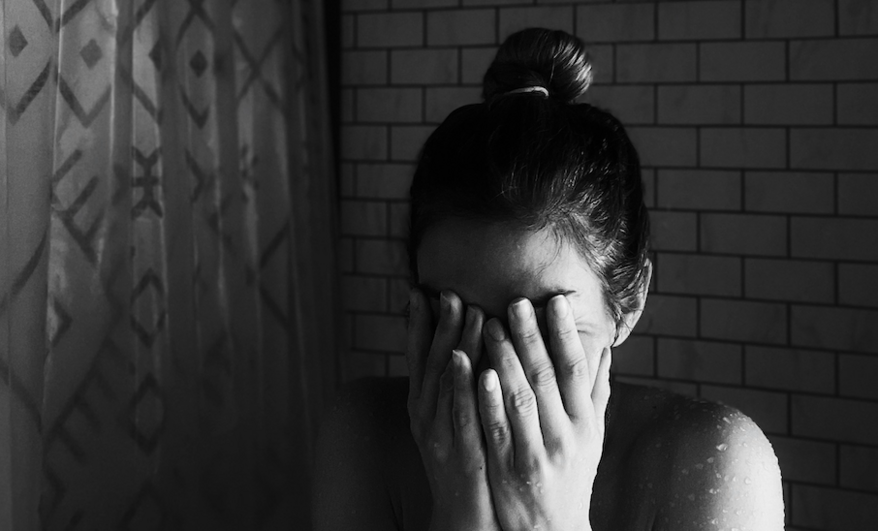
Panic attacks—also known as the “silent epidemic” and a plague of modern society—are increasingly common in today’s fast-paced lifestyle. Modern people often invest all their attention into the material world—survival, luxury, and social status—while neglecting their inner world: thoughts, feelings, emotions, and states of being.
Chronic stress accumulation, caused by a lack of energy to cope with circumstances, leads to a slow but steady (and sometimes unnoticed) buildup of internal tension. Tension that isn’t released eventually reaches a breaking point.
When we don’t sleep well, eat regularly, move enough, and instead fill our minds with negative thoughts, it begins to overpower our inner strength and drain our energy throughout the day.
On average, a person uses only 30–35% of their lung capacity—whereas children use 80–90%, which is why they’re so energetic. Breathing is also the body’s primary detox mechanism—over 85% of bodily toxins are expelled through exhalation. It’s no coincidence that high toxicity levels in the body can slow down or complicate panic disorder recovery.
That’s why it’s so important to use the full capacity of our lungs.
If we feel anxious or on the verge of a panic attack, deep breathing can help switch the body from “fight or flight” mode into a more relaxed state.
Quick Techniques for Moments of Anxiety
Deep Diaphragmatic Breathing
Follow these steps:
Inhale deeply, counting silently to 4, and feel your belly and chest expand.
Hold your breath while counting again to 4.
Slowly exhale, counting to 4 once more.
Breathing into a Paper Bag
Take a paper bag and place it over your mouth (if you don’t have one, cup your hand over your mouth). Then breathe slowly and deeply. This increases the intake of carbon dioxide, which helps counteract the hyperventilation that often occurs during anxiety.
If You’ve Faced This More Than Once…
Panic attacks can be terrifying. The experience alone can leave lasting trauma on the body and mind. That’s why it's important to begin caring for your inner peace, releasing stress, and turning inward as early as possible.
Complete healing requires a lifestyle change—not necessarily giving up comfort, but combining self-care with daily life.
Most treatment methods for panic attacks emphasize three practices that show real results when done consistently:
Eating a natural, whole-food diet
Exercising for at least 30 minutes a day
Staying well hydrated
Practicing meditation and breathing techniques
Doing these daily creates a significant shift in the nervous system, helping it find more security in the surrounding environment. This is recognized by psychotherapy schools worldwide and supported by both holistic and medical sciences.
One of the Most Effective Techniques: Sudarshan Kriya
One of the most accessible yet powerful techniques, backed by global studies and scientific research, is Sudarshan Kriya.
This practice is a set of rhythmic breathing techniques combined with meditation and light yoga postures. It’s prescribed for conditions like depression, anxiety, stress, and others. It acts directly on the brain’s wave activity, helping transform accumulated tension in the amygdala—the brain’s fear processing center.
To practice it independently, one must complete a 2-day course, after which you can use it daily as a powerful self-healing tool. Testimonials show improvements even in clinical and advanced cases.
“Over 15 years ago, I had my first panic attack—I couldn’t breathe in closed spaces, felt faint, and had heart palpitations. Years of fear and inner unrest led to a diagnosis of Multiple Sclerosis. That’s when I discovered The Art of Living and took the Sudarshan Kriya course.
Panic attacks are marked by difficulty breathing, and Sudarshan Kriya is the key because it uses rhythmic, deep breathing to regulate the mind. This technique helped me overcome both panic attacks and MS.”
— Zdravka Nikolova
In Bulgaria, Sudarshan Kriya is taught at Art of Living Happiness Centers. There, you can attend a course in breathing and meditation techniques, and meet others who are currently experiencing or have overcome similar challenges. It's more than a technique—it’s a supportive community.